What is Orthorexia
This is the audio version of a piece I wrote. You can listen or read - whatever feels better today.
In this blog I’ll go into detail about what orthorexia is, the signs and symptoms, health effects, risk factors, and steps you can take to overcome it.
I’ll also share some real heart-to-heart no BS later - so stay til the end!
My journey into orthorexia
Do you feel like you can’t eat food unless it is “healthy” or “clean”? Do you fear that if you eat certain “unclean” or “no” foods you might become sick, not heal, die young, get fat, not feel good, or heaven forbid become sick again?
I get you!
In 2012 I completely revamped my diet and went vegan overnight at the encouragement of a practitioner I was working with. I had been very sick for a while and was desperate to feel better. I wanted to heal.
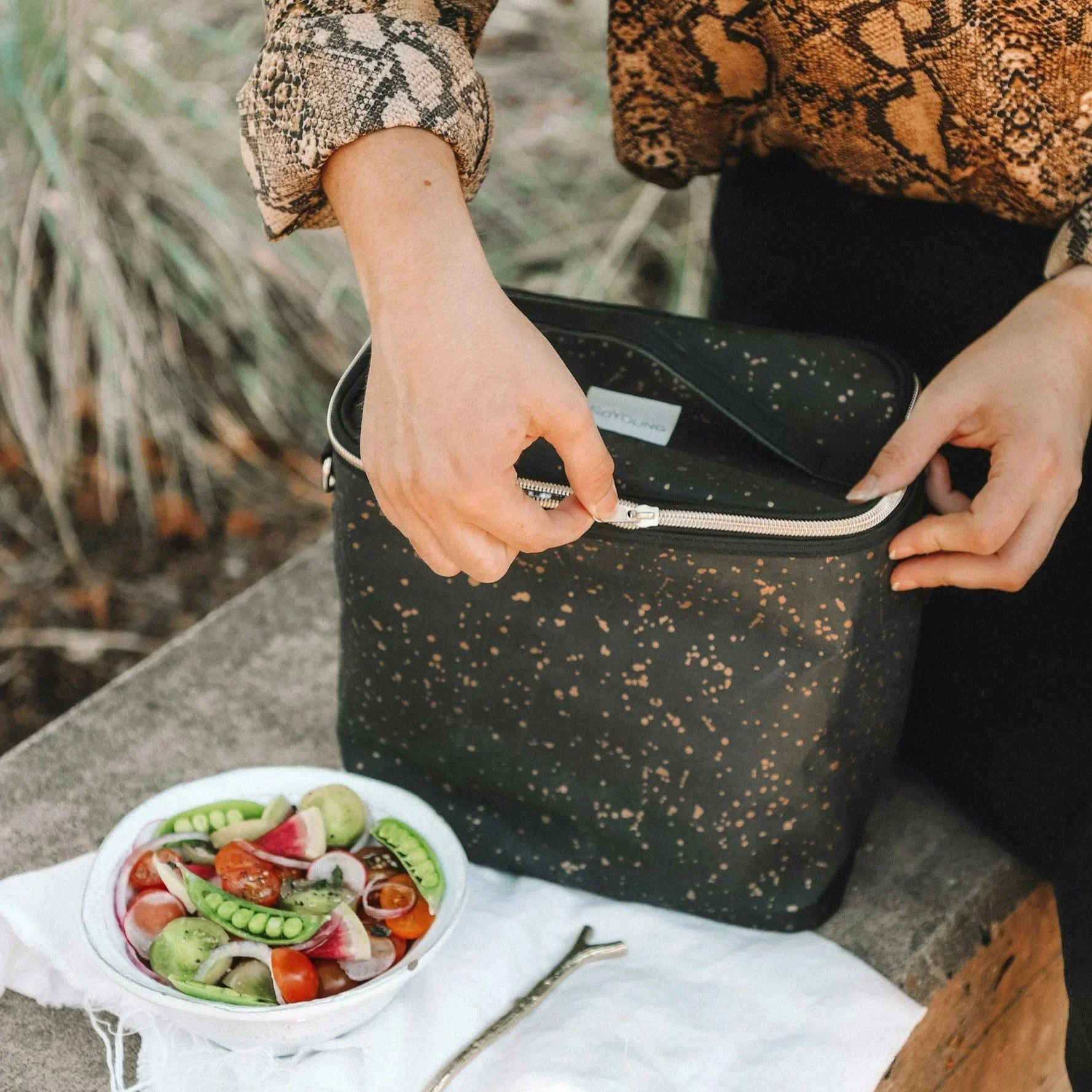
Soon I was the girl saying, “No, I can’t eat that” as I hauled my cruelty-free lunch box everywhere I went so I would always have something I “could” eat.
A couple years later I became the girl saying, “Something is seriously missing!” I sensed it had to do with my diet, but was scared to death to eat something that was not “allowed” within my limited scope of healthy eating and lifestyle.
I soon discovered I was most likely experiencing orthorexia.
Orthorexia defined
Orthorexia is a termed created by physician Dr. Steven Bratman in the 90’s. Orthorexia is essentially an unhealthy obsession with healthy eating.
Orthorexia is not classified in the Diagnostic and Statistical Manual (DSM-V), but is gaining recognition as a legitimate disorder that can cause significant distress.
This unhealthy focus on healthy eating often leads to “food fear” -literally being afraid to eat certain foods due to possible triggers of symptoms, or belief the food will create sickness, for example.
It is hard to get a gauge on how many people suffer from orthorexia as many simply believe they are eating well and do not having any type of possible disorder.
Signs and symptoms of orthorexia
Through my lens as a mental health therapist, Mind Body Eating Coach, and my own research and experience with orthorexia I compiled the following 15 signs . They can help you determine if you are possibly dealing with orthorexia:
1- Increasing concern with the relationship between food choices, health, and disease.
2- Compulsively checking ingredient lists and nutrition labels.
3- Cutting out whole food groups such as carbs, dairy, meat, etc.
4- Cutting out certain specific foods without real medical or physiologically based supported advice.
5- Increasingly consuming supplements, probiotics, and herbal remedies.
6- Increasingly being concerned with food preparation techniques.
7- Feeling like you no longer have permission to eat anything other than what foods are “healthy” and “clean”.
8- Spending a lot of time meal planning and prepping of foods.
9- Feeling spiritually or emotionally superior when eating certain foods.
10- Believing that eating away from home will make it virtually impossible to comply with eating certain foods.
11- Increasingly feeling distressed when certain foods are not available and therefore always having what you “can” eat close by.
12- Concerned and critical of others’ eating habits.
13- Avoiding food bought and prepared by others & worrying what will be served if invited over to a dinner, for example.
14- Increasingly thinking about and researching about food in general.
15- Feeling distant from friends and family, even losing relationships.

In addition, body image concerns may or may not be present. While those with anorexia might have similar patterns and restriction, orthorexia isn’t typically tied to appearance or weight. It is focused on the desire to be healthy.
However, you can certainly struggle with body image and weight in addition which will increase the drive to eat “right.”
health effects of orthorexia
Weight loss (usually muscle loss)
malnutrition
anemia
reduced metabolic rate
digestive complaints and imbalances
anxiety, depression, & lowered immunity
hormonal imbalances
acidosis & impaired bone health
compulsion to “purify” with cleanses and fasts
social isolation and strained relationships
Risk factors of developing orthorexia
tendency towards perfectionism
growing up in a home that was heavily focused on diet & nutrition
diagnoses of anxiety, OCD, anorexia, and other related disorders
need for control
certain occupations: healthcare workers, dancers, musicians, models, actors, athletes.
those who suffer physical illnesses & are attempting to control their health
Steps to overcome orthorexia
Generate Awareness: get clear on what you currently believe about food and health and where those beliefs came from. Journaling would be good.
Start to Regulate: work on letting go of the stress that keeps you stuck and food feeling unsafe. Slow down, sit with your food, tend to your precious nervous system.
Begin Experimenting: gently challenge your beliefs and rules by beginning to make changes to your habits and food choices. Eat a bit of something you enjoy but isn’t currently on your approved list.
Reconnect with your Body: get curious about how your body experiences food and start listening to what it might be telling you. Be quiet and begin asking your body what it needs.
Start Nourishing: what else other than food do you find nourishing to your body and soul? What else do you consume, other than food that might be impacting your health?
Integrate: Continue to refine your choices, take risks, and let go of old rules. What brings your body healing other than food? Explore what you believe truly brings healing - physically, mentally, & spiritually.

This is what I walk my clients through inside my 3 month membership: FREE to Eat.
You do not have to work with me, though- you may already have a therapist or other coach. Make sure they are knowledgable about disordered eating and orthorexia specifically.
It can be a lonely journey.
Heart-to-heart, no BS talk
The irony and frustration of this disorder (if you will), or challenge is that you want to be healthy and feel good only to reach a point of depriving yourself of full nourishment that is necessary for true health!
You are in a stress response if you are experiencing Orthorexia.
And stress is the number ONE cause of illness, not the food you are fearing or avoiding.
After I went vegan and felt better, I became so obsessed with sticking to my new “diet” and way of life. I believed it was what saved me… at least initially.
But I became a different kind of sick: malnourished, rigid, judgmental, and perfectionistic.
My rigid beliefs surrounding food and what I thought was health drove me into a very unhealthy relationship to food and further physical imbalances.
Let me be clear: It does matter what we eat. We should all be evaluating how we feed our bodies & how they respond. As one of my teachers said, “Our soul’s earliest experience of miracles was food.” - Marc David
You can create miracles when adjusting your diet.
You can also create problems when those adjustments are driven by fear.
If you are living out a calm desire to feel better and have greater health with a broad lens of what health means beyond just food - bravo. This is the goal.
I help my clients find freedom with food and that can mean feeling free to FORGO some foods out of respect for their body.
We learn to honor health.
We cannot truly honor something if we are motivated by fear and grasping to remain in control.
In conclusion
It is not your fault. I know that your intentions started pure. You have every right to change and every right to want to heal. No shame here.
Diet & wellness culture has not been kind to any of us.
We have been inundated with food information, fear mongering around food, how we should look if we want to be loved, and how we should eat if we want to accomplish xyz.
Plus, we have nutrition information overload. Honestly, how is anyone to know what in the world they should eat nowadays!?
So when you find a diet that works for you, it’s easy to get locked in and miss any cues that your body might be giving you that it now needs something DIFFERENT.
Orthorexia, though not an official diagnosis, is a real thing, but it can be overcome with the right supports and a very open mind and heart.